The musical instrument atlas
Every key, every note,
every instrument.
Fingering charts with clear diagrams, scales written for your instrument with audio, string tunings in hertz, free public-domain scores and practice tools — all in one fast, ad-free place.
143fingering diagrams
336+scale pages
47instruments
44tunings
6,263free scores
2,855catalogued works
Fingering charts
All charts →


Scales, written for you
Every major and minor scale transposed to the key your part is written in — with notation, fingerings under every note, audio playback and free MIDI/MusicXML.
Instrument atlas
All 47 instruments →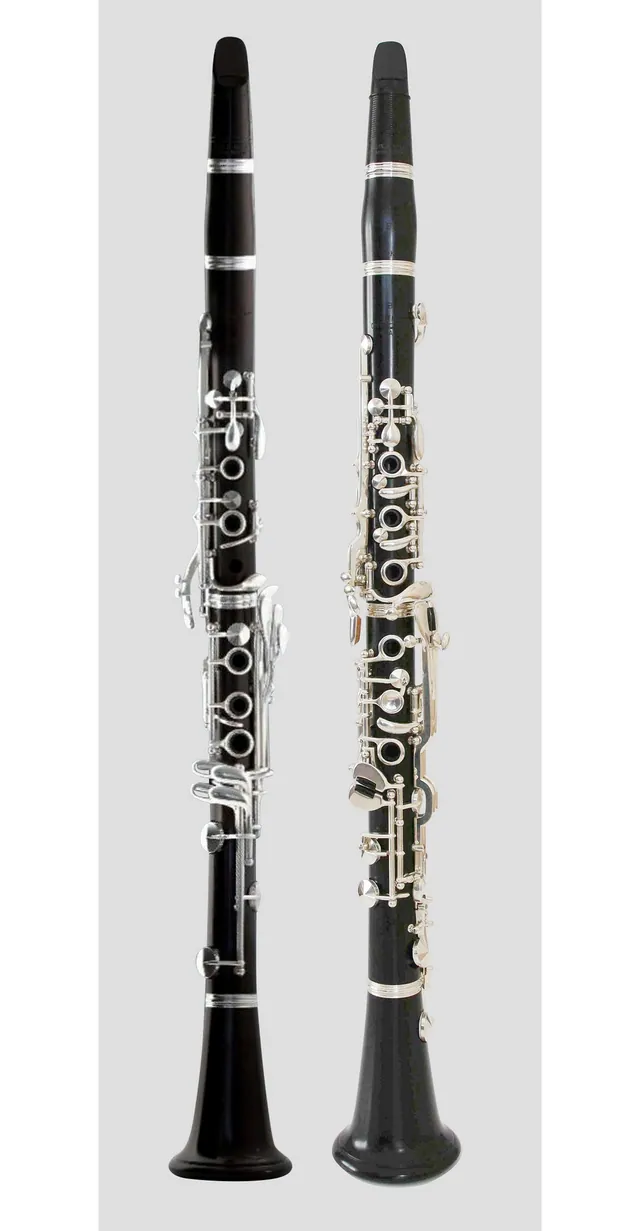
B♭ Clarinet
The most common clarinet: written C sounds B♭ a whole step lower.
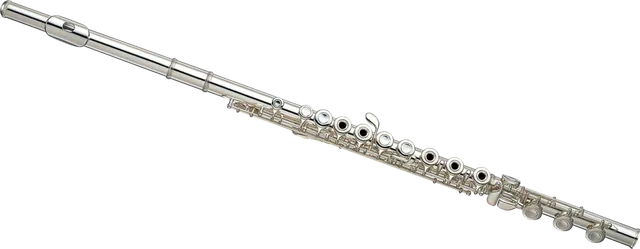
Flute
Non-transposing: written pitch is concert pitch.
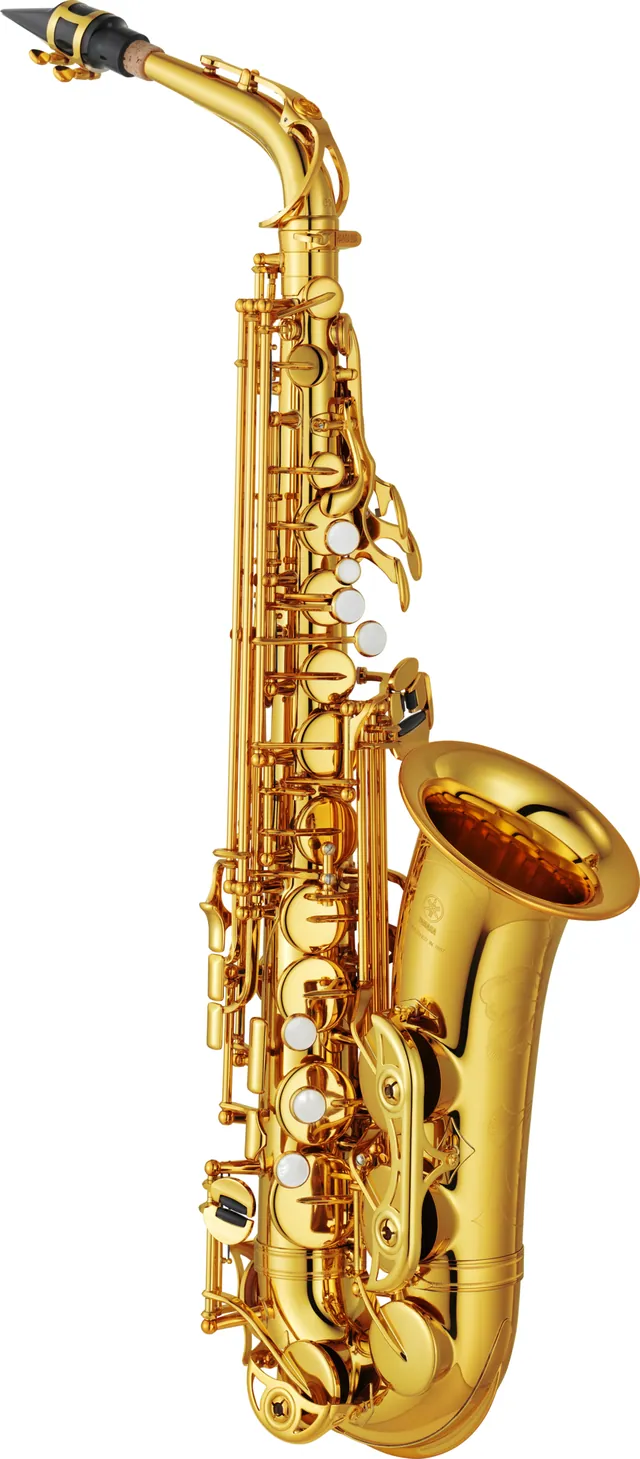
Alto Saxophone
The most common saxophone; written C sounds E♭ a major sixth lower.
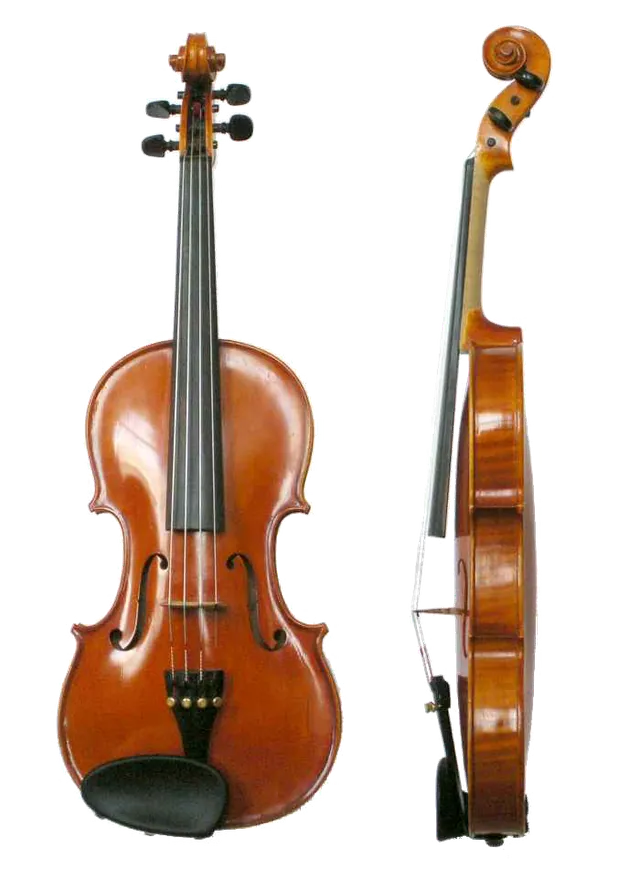
Violin
Strings tuned in fifths: G3, D4, A4, E5.
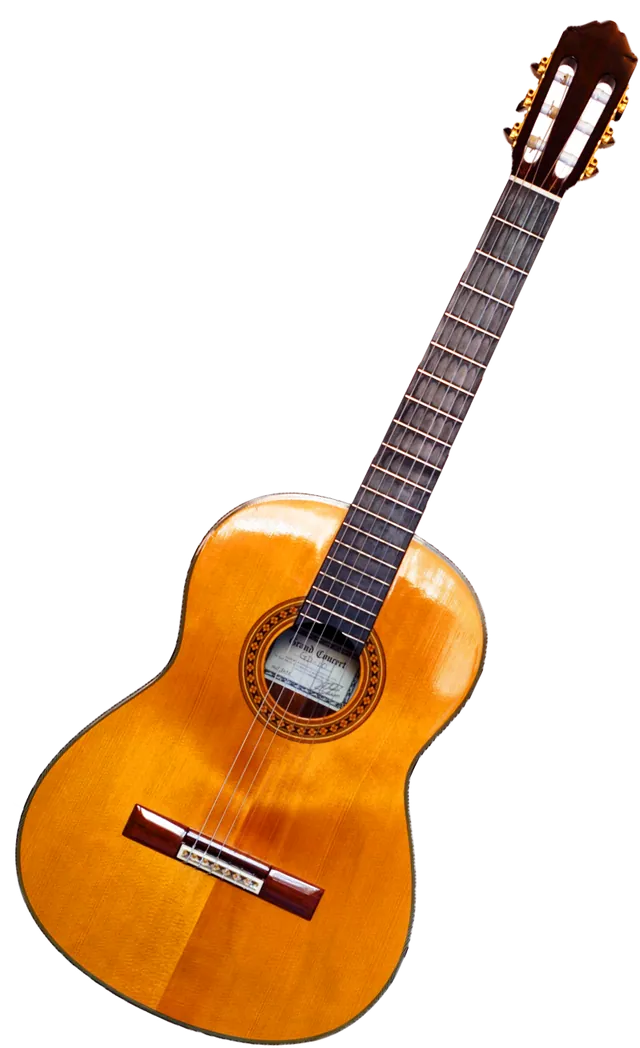
Guitar
Standard tuning E2 A2 D3 G3 B3 E4; written an octave higher than it sounds.
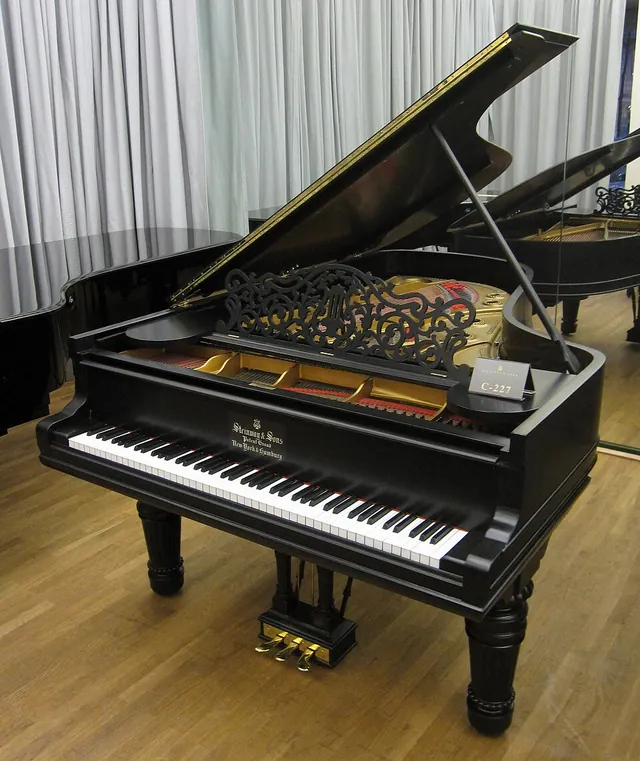
Piano
88 keys spanning A0 (27.5 Hz) to C8 (4186 Hz).
Free library
Browse →Folk tunes with playback
All tunes →- Drowsy Maggie · reel
- The Kesh · jig
- Cooley's · reel
- The Butterfly · slip jig
- Morrison's · jig
- The Silver Spear · reel
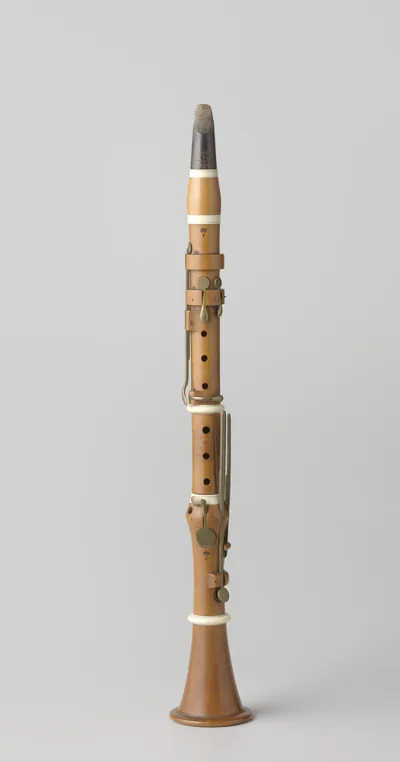
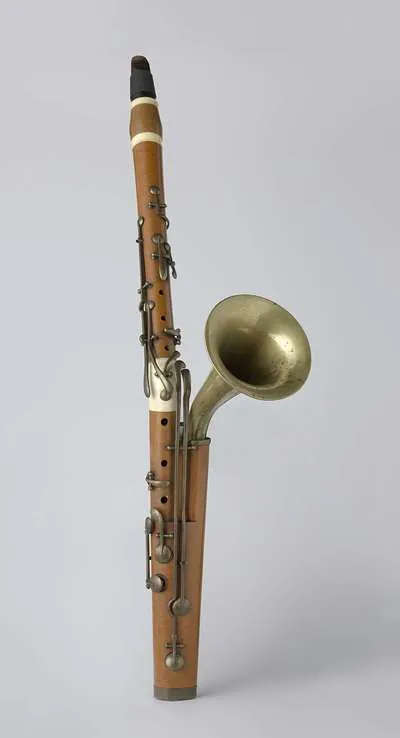
From the museum
Visit the museum →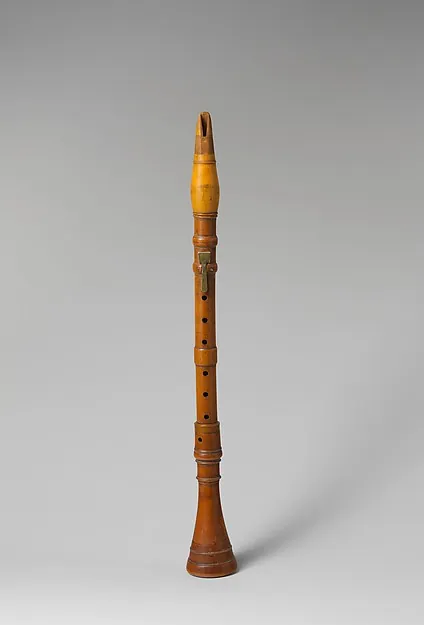
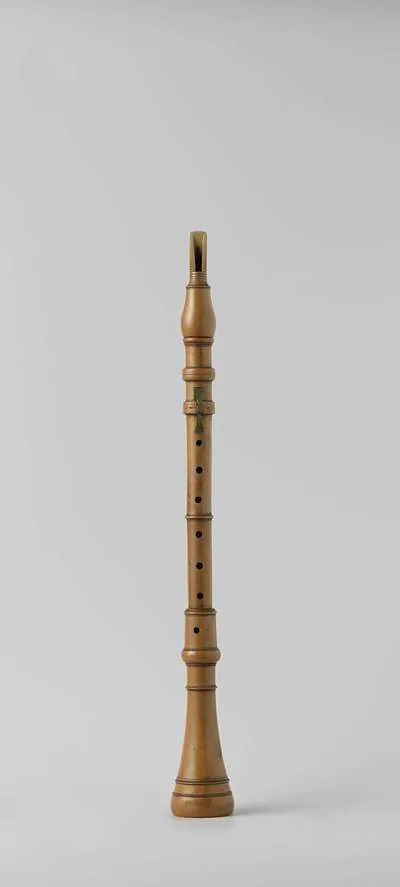
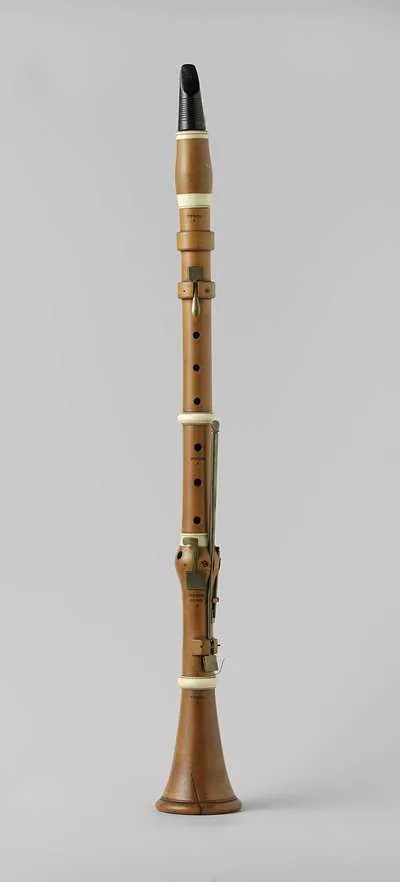
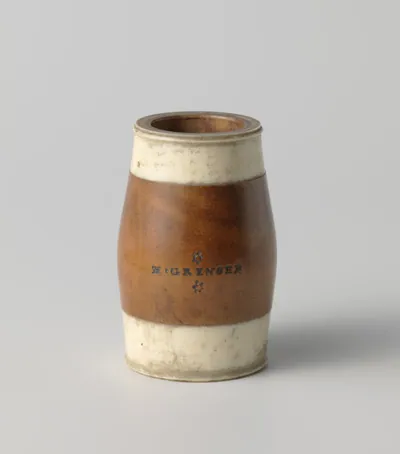
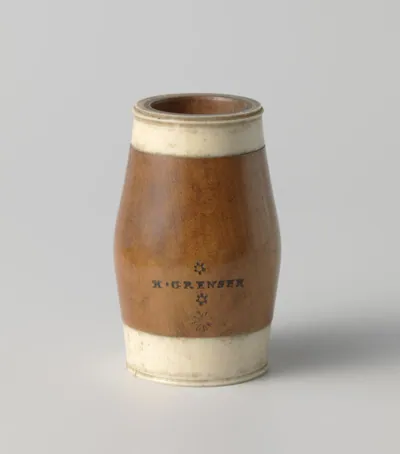
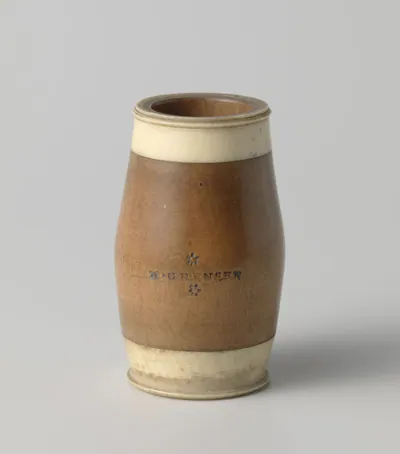
Learn
All guides →Latest posts
- Mastering Saxophone Low Notes Essential Technical Focus
- What Is the Hardest Key Signature to Play and Why
- Easiest Instruments to Learn for Adults and Where to Start
- Understanding Minor Scales Theory and Practical Application
- Is a Chromatic Scale Just Half Steps? The Reality of Pitch
- Is the Clarinet the Hardest Instrument to Play
- Do Flute Players Make Better Kissers Fact vs Fiction
- Common Singing Mistakes and How to Fix Them
- Understanding Flute Harmonics and Practical Applications
- Flute Breath Control Explained Through Practical Examples